
Clara Jundt and her team at Janssen R&D, in collaboration with Altis and UNC-Chapel Hill, conducted a study using human primary intestinal epithelial cells from multiple donors. Their aim was to determine if these cells could mimic a similar response and capture the genetic variability found in humans. The researchers treated the models with TNFα and IFNγ, revealing consistent responses across different donors. Additionally, they discovered that the JAK-STAT inhibitor tofactinib effectively blocked these responses in a dose-dependent manner.
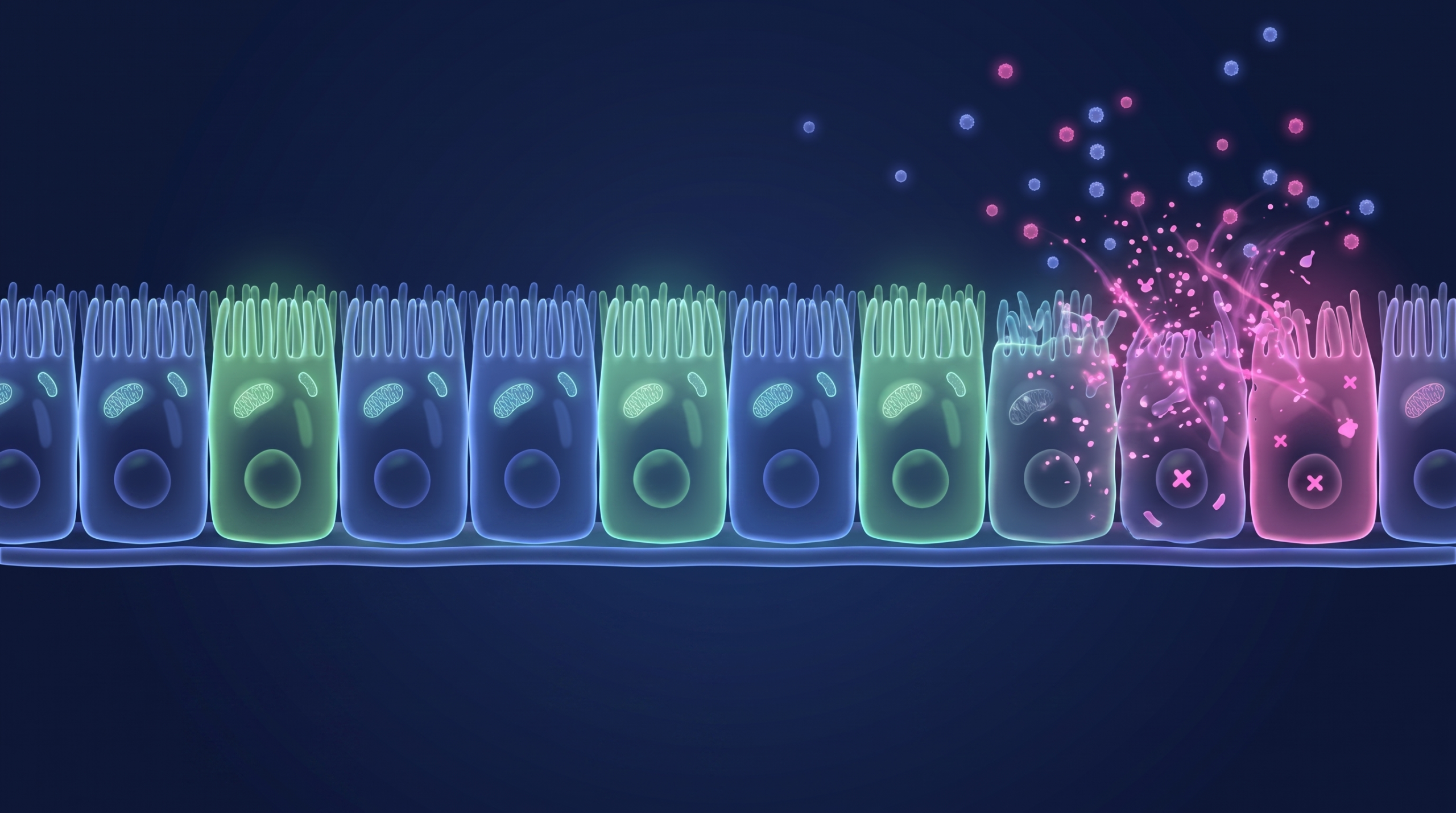
Why GI Toxicity Slips Through Preclinical Screening
Ask a program lead which toxicity they are most afraid of finding late, and the gut is rarely the first…
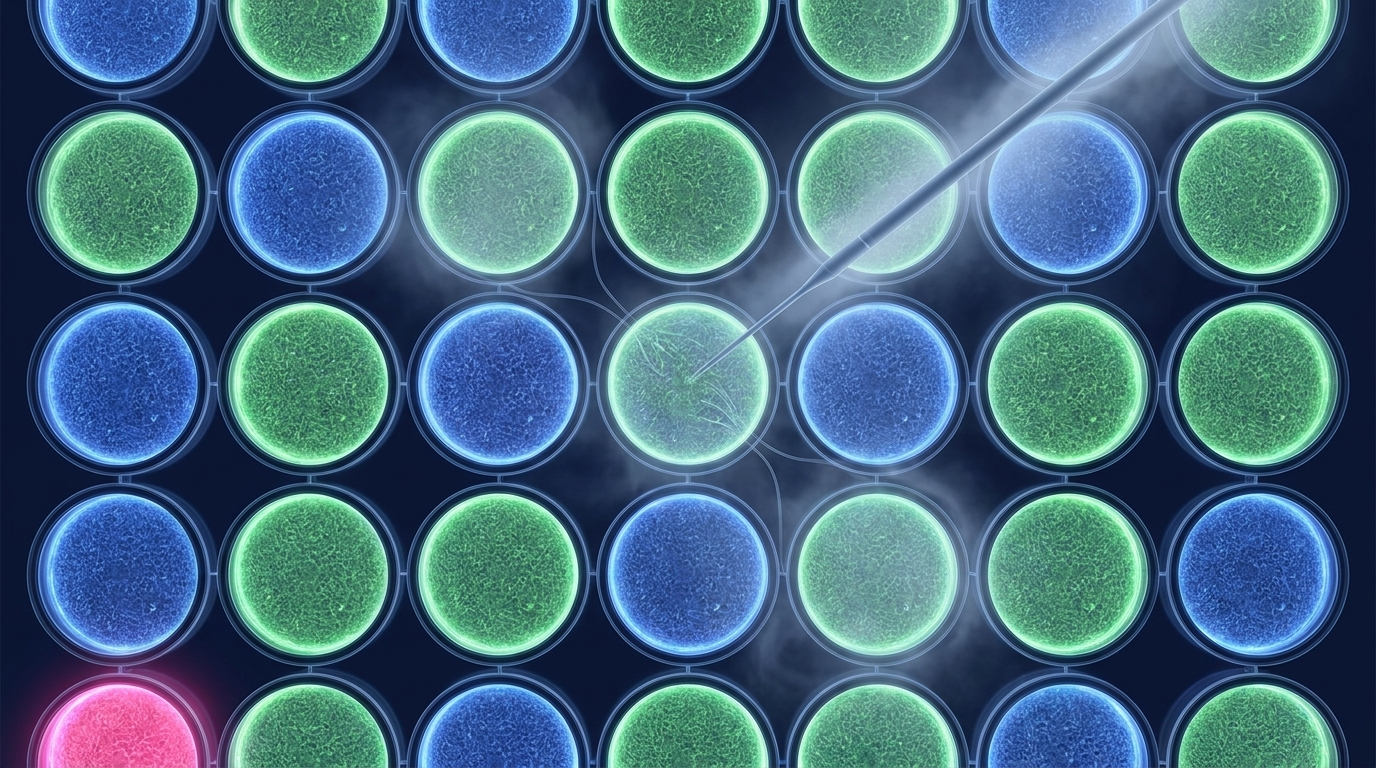
Well-to-Well Consistency: Seeding, Confluence, and Real Signal vs Noise
Some of the most damaging variability in a gut assay never involves the drug at all. It lives between neighboring…

Reproducibility in Your Hands: Why an Assay Drifts When It Moves Between Labs
A model can be perfectly reproducible in the lab that built it and still fall apart the moment it lands…