
Human In Vitro Intestinal Models for Drug Development.
RepliGut® in vitro intestinal models give drug developers human gut biology they can test on directly, across oral absorption, toxicity, inflammation, and metabolic disease.
Design your studyExplore the platformWhy in vitro intestinal models beat legacy assays
Too many drugs fail late because preclinical models do not reflect human gut biology. Caco-2 cell lines and animal studies miss key transporters, enzymes, and disease responses. As a result, promising candidates often fail to translate to the clinic.
RepliGut® in vitro intestinal models are built from human adult donor stem cells. They span multiple regions of the small intestine and colon. In practice, you get data you can trust earlier. It also means less reliance on animal studies, as regulators advance alternative testing methods.
Four questions RepliGut® answers better
ADME and permeability, beyond Caco-2
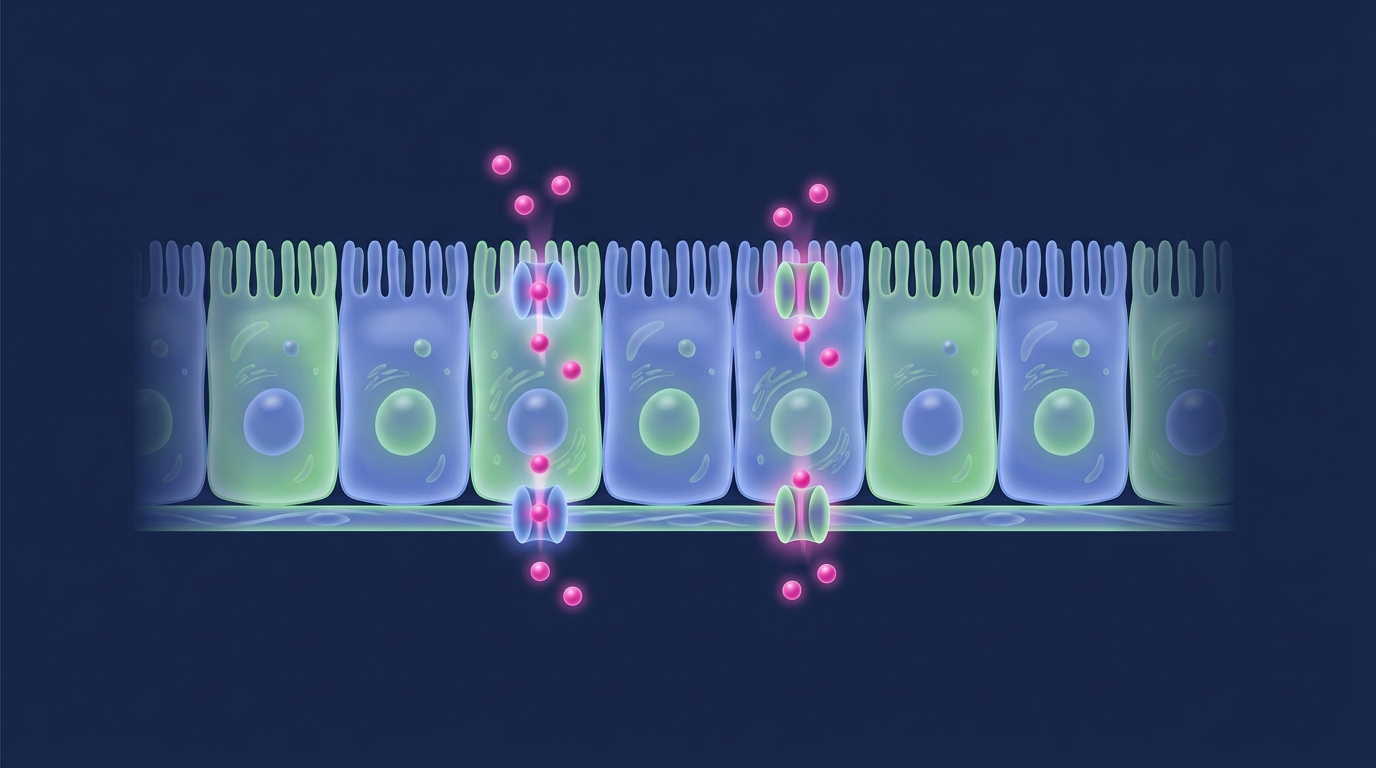
In vitro ADME studies screen candidates for absorption, transport, and metabolism. Caco-2 lacks many of the active transporters and enzymes that drive real bioavailability, so its predictions can mislead.
RepliGut® models come from human donor stem cells across the gut. You can assess permeability and metabolism region by region, and across multiple donors. That makes for a more rigorous read on a candidate.
Explore in vitro DMPK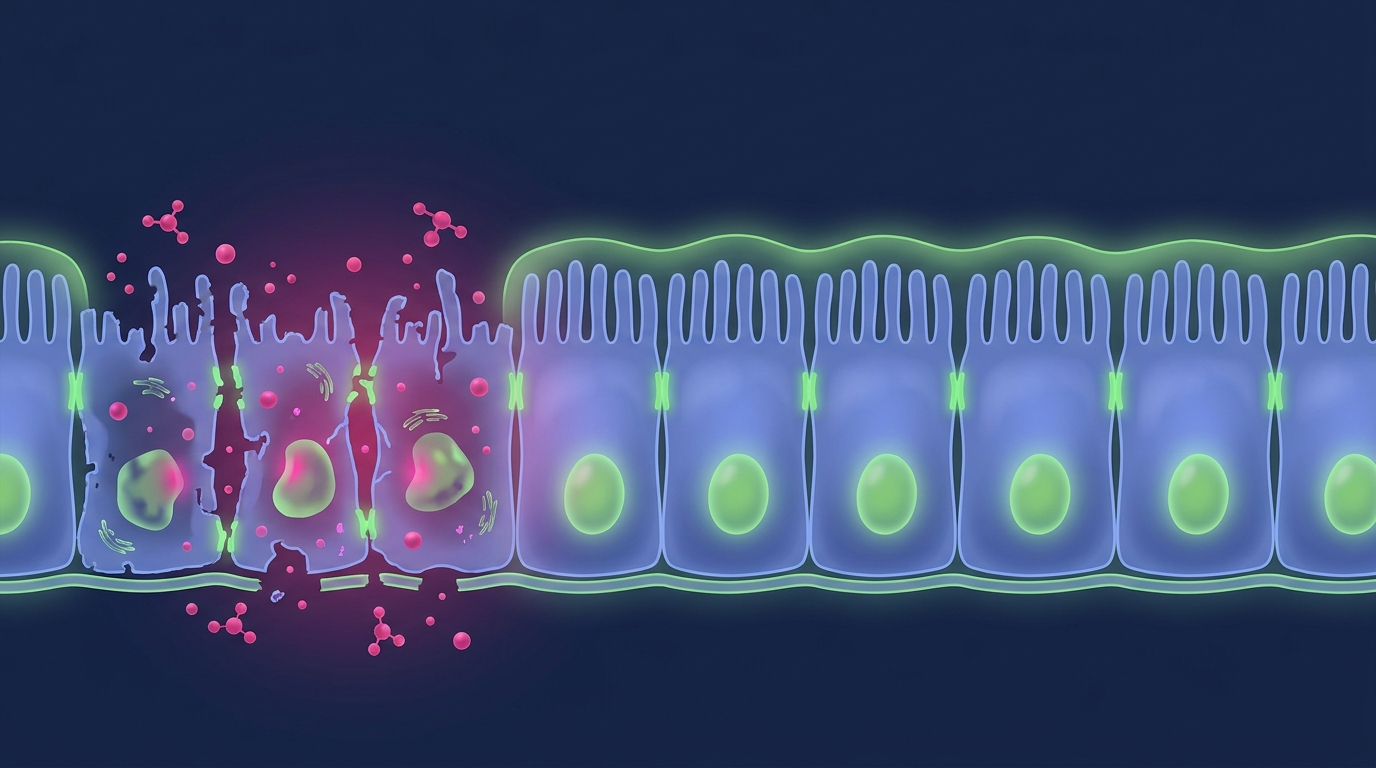
GI toxicity screening on human cells
GI toxicity is one of the most common adverse events in Phase 1 trials. Legacy cytotoxicity assays lean on Caco-2, which does not represent the biology of the human gut.
RepliGut® Planar gives independent access to the apical and basal surfaces and lets you measure barrier disruption directly. So safety risks surface earlier, before they reach the clinic.
See rapid screening with StemTox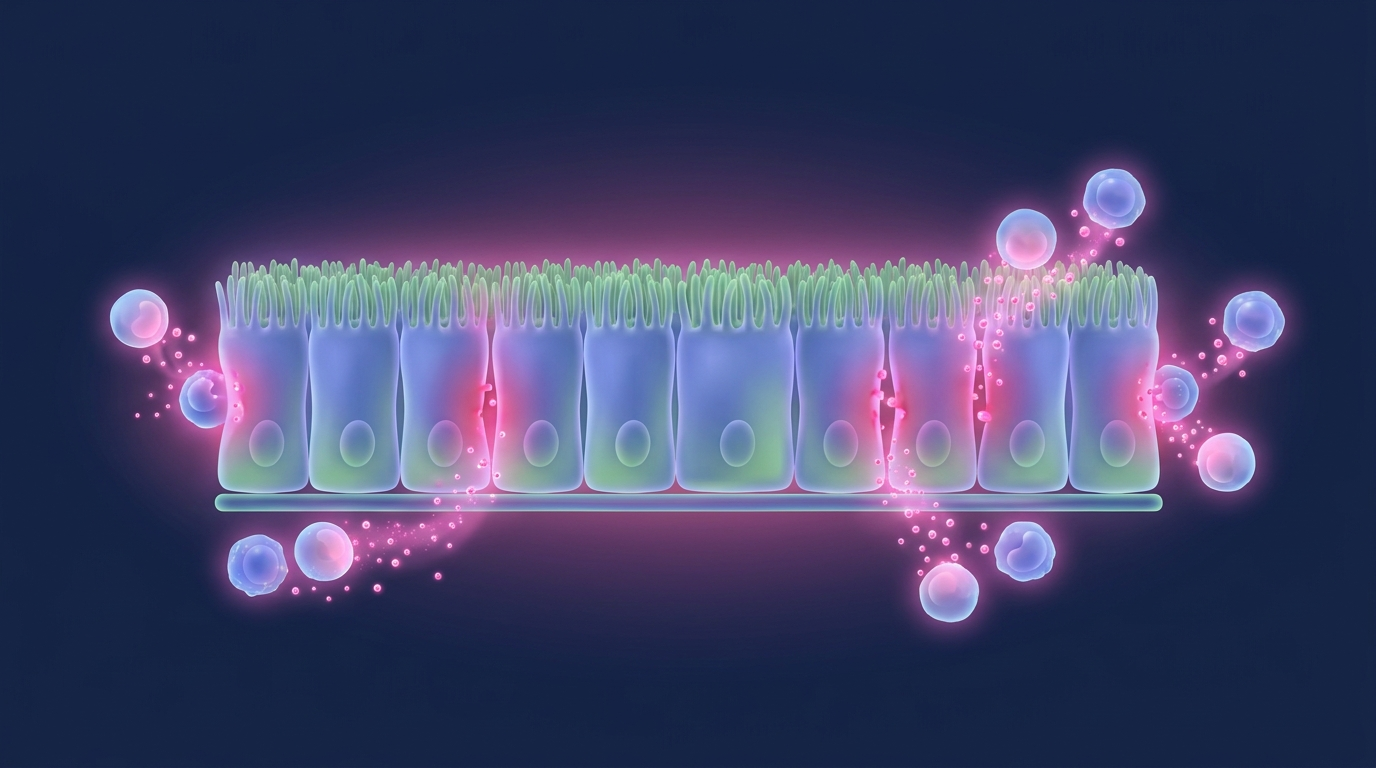
IBD and intestinal inflammation models
Chronic inflammation drives inflammatory bowel disease and damages the barrier that keeps the gut intact. Modeling that response in human tissue is hard with legacy systems.
RepliGut® models can be stimulated with pro-inflammatory cytokines such as TNF-alpha and IFN-gamma. In turn, you can study barrier response and test anti-inflammatory drug efficacy across multiple donors.
Explore IBD research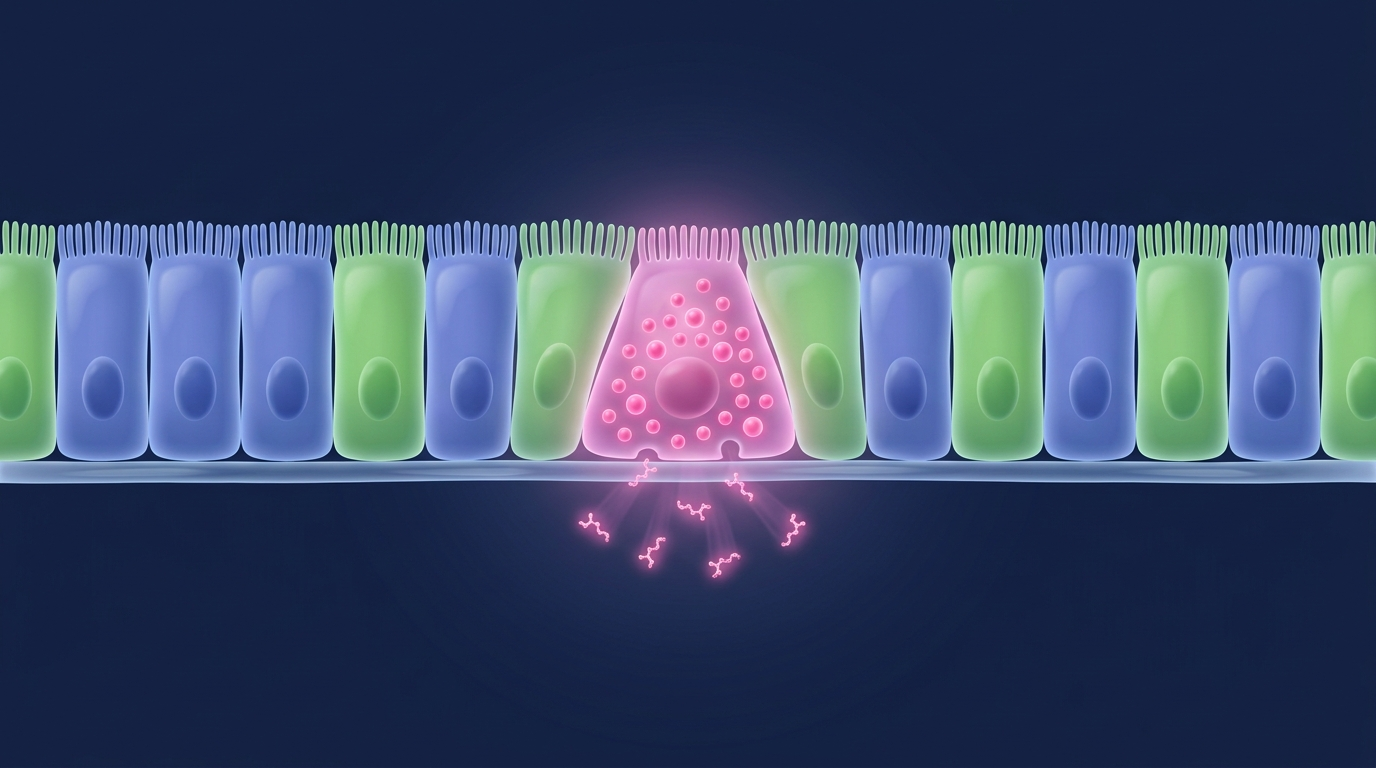
GLP-1 and gut hormone research
The gut sits at the center of metabolic disease. Studying gut-derived hormones like GLP-1 calls for a human-relevant model of the intestinal epithelium and its hormone-producing cells.
RepliGut® recreates that architecture. Researchers can examine GLP-1 secretion, stability, and transport. That opens work in diabetes, obesity, and the gut-brain axis.
Explore GLP-1 researchWhy the data holds up
Real human biology
Built from human adult donor stem cells, across regions of the small intestine and colon.
Apical and basal access
Unlike spherical organoids, the planar format opens both surfaces for dosing and measurement.
Reproducible format
A standardized plate format supports imaging, barrier studies, and a wide range of assays.
Multi-donor biobank
Ethically sourced donors let you build variability in, and revisit the same donor for years.
Kits or full-service studies
RepliGut® Kits
Run RepliGut® Planar in your own lab. Kits ship in 12-well and 96-well formats, complete with cells, plates, and media, plus technical support.
Explore kitsFull-service studies
Have our scientists run the project. Assays are customizable to your goals and led by a team with deep experience in advanced cell culture.
Explore servicesReady to design your study?
Tell us what you are trying to answer. We will help you choose the right in vitro intestinal model for the job.
Talk to our team