
Human Intestinal CRO Services.
Our human intestinal CRO services put PhD level project leads and RepliGut® human tissue behind your study, so you get reproducible, decision ready data.
Study design guided by scientists who run the assays
Whether you know exactly what you want or need our guidance, our PhD level project leads help you get the most from RepliGut® models. They design the study, choose the region of interest, explore our donor biobank, and select the endpoints that answer your question.
Because the people advising you also run the work, you get realistic timelines and frequent updates. In practice, that means efficient project design, full visibility into ongoing work, and high success rates built on real experience.
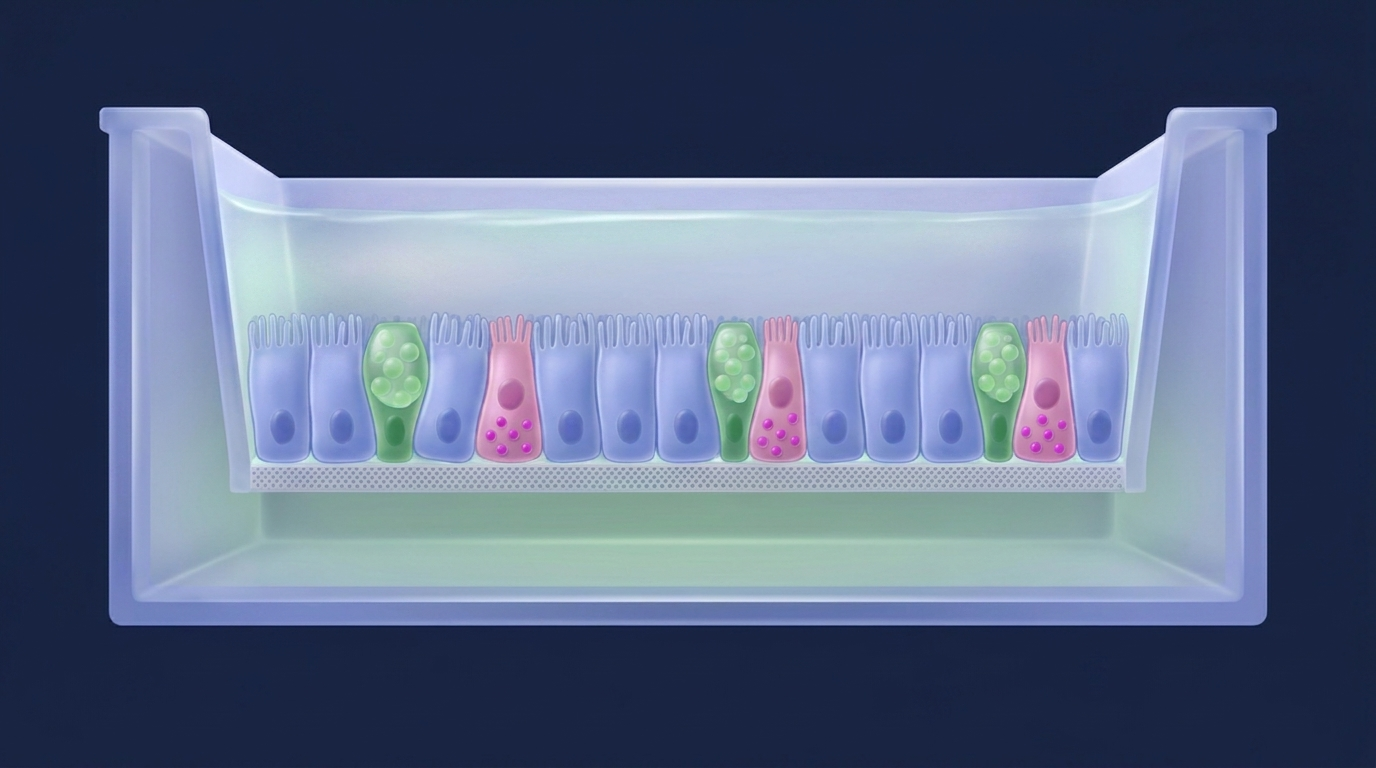
Human cell diversity in a single monolayer
Because RepliGut® grows from primary intestinal stem cells, the differentiated layer contains the epithelial lineages found in vivo. That includes absorptive enterocytes, mucus producing goblet cells, and hormone secreting enteroendocrine cells, and it does not stop there.
Grown submerged on a semi permeable membrane, RepliGut® Planar cultures also open both the apical and basal surfaces. So you can dose one side and sample the other, exactly as absorption and secretion work in the body.
Explore RepliGut® Planar Gut hormone research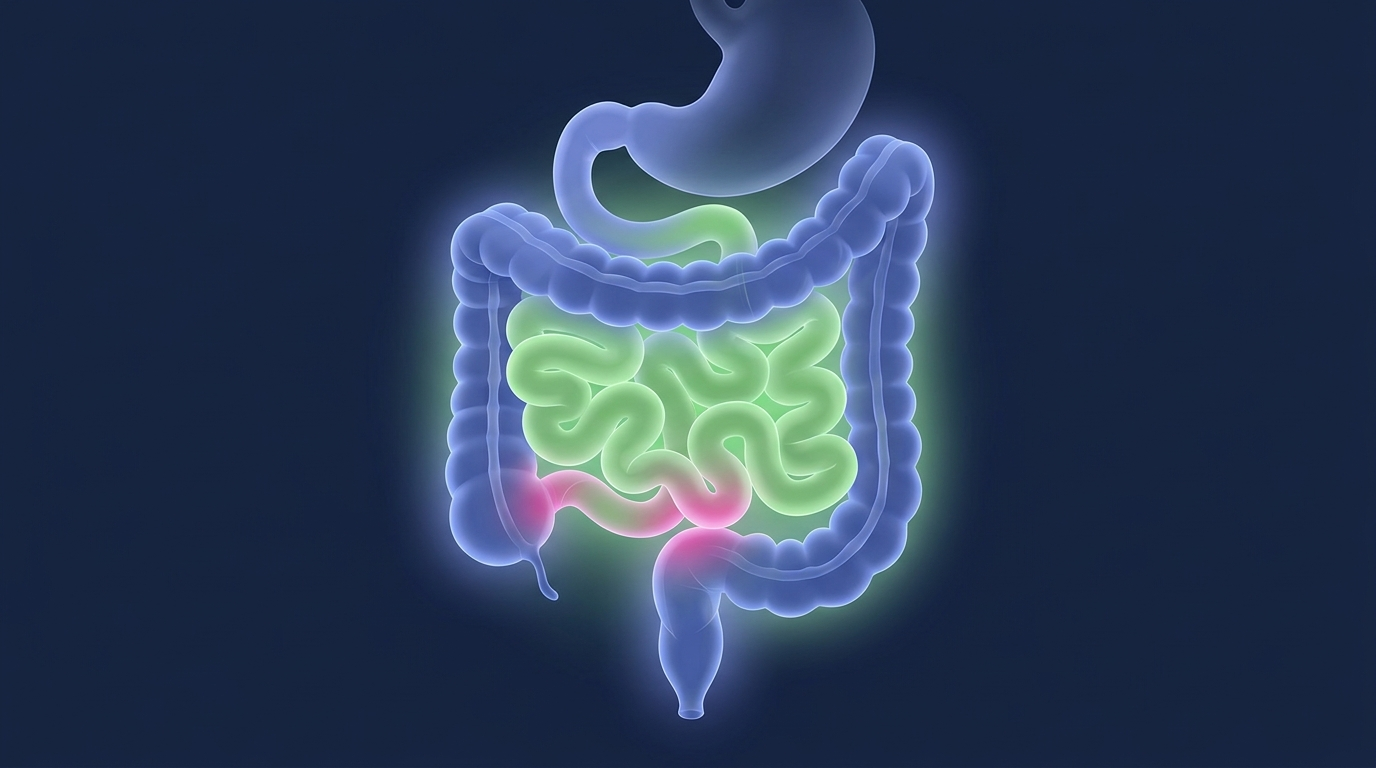
Model the small intestine and the colon
Drug behavior and disease biology change along the gut. RepliGut® lets you model the region that matters, from the duodenum, jejunum, and ileum of the small intestine to the colon.
So you can match the model to your target tissue. You can also compare regions side by side across the same donor set.
See applications across the gutWhy human intestinal CRO services beat Caco-2
Caco-2 has anchored intestinal screening for decades. Yet it is one cancer cell line from a single donor, and that shapes the data you get. RepliGut® is built from primary human tissue instead.
| What matters | Legacy Caco-2 | RepliGut® human models |
|---|---|---|
| Cell source | One immortalized colon adenocarcinoma line from a single donor, carrying a cancer phenotype | Primary stem cells from healthy human donors across the intestinal tract |
| Regional biology | A single colon like phenotype with no segment specific physiology | Duodenum, jejunum, ileum, and colon, matched to your region of interest |
| Cell types present | Enterocyte like cells only | Multiple differentiated lineages, including enterocytes, goblet, and enteroendocrine cells |
| Transporters and enzymes | Under expresses key transporters and drug metabolizing enzymes | Human relevant transporter and enzyme activity from donor tissue |
| Donor variability | One fixed line, so no population diversity | Multiple donors to test how response varies across people |
The regulatory tide favors this shift too. The FDA now actively advances human relevant New Approach Methodologies for preclinical testing.
What our intestinal models let you study
RepliGut® Planar cultures grow polarized intestinal epithelium on semi permeable membranes. So you can run many study types on one reproducible platform.
Measure barrier function
Track epithelial integrity with high TEER, then screen compounds for their potential to disrupt the barrier.
Model inflammatory response
Dose and sample cytokines apically or basally to study gut inflammation. See InflammaScreen
Screen for GI toxicity
Flag drug induced GI toxicity early, before Phase 1 trials. See StemTox
Study drug disposition
Assess absorption, permeability, and metabolism across intestinal regions. See In Vitro DMPK
Standardized readouts for reliable data
The easy to grow format supports the endpoints your program depends on. Above all, each one is standardized for reproducibility across donors and runs.
Ready to design your study?
Tell us what you are trying to answer. Our project leads will help you scope the right human intestinal CRO services for your program.
Start your free consultation