
GI Toxicities are the most common drug-induced adverse events in human clinical trials. Unfortunately, they are poorly predicted by rodent models. View our poster presentation from the 2023 SOT meeting authored by James Levi. It describes how a new human-derived cell model provides an efficient and informative screen for drug effects on intestinal cell proliferation. In addition, it screens barrier function toxicities. This model closely resembles natural human physiology.
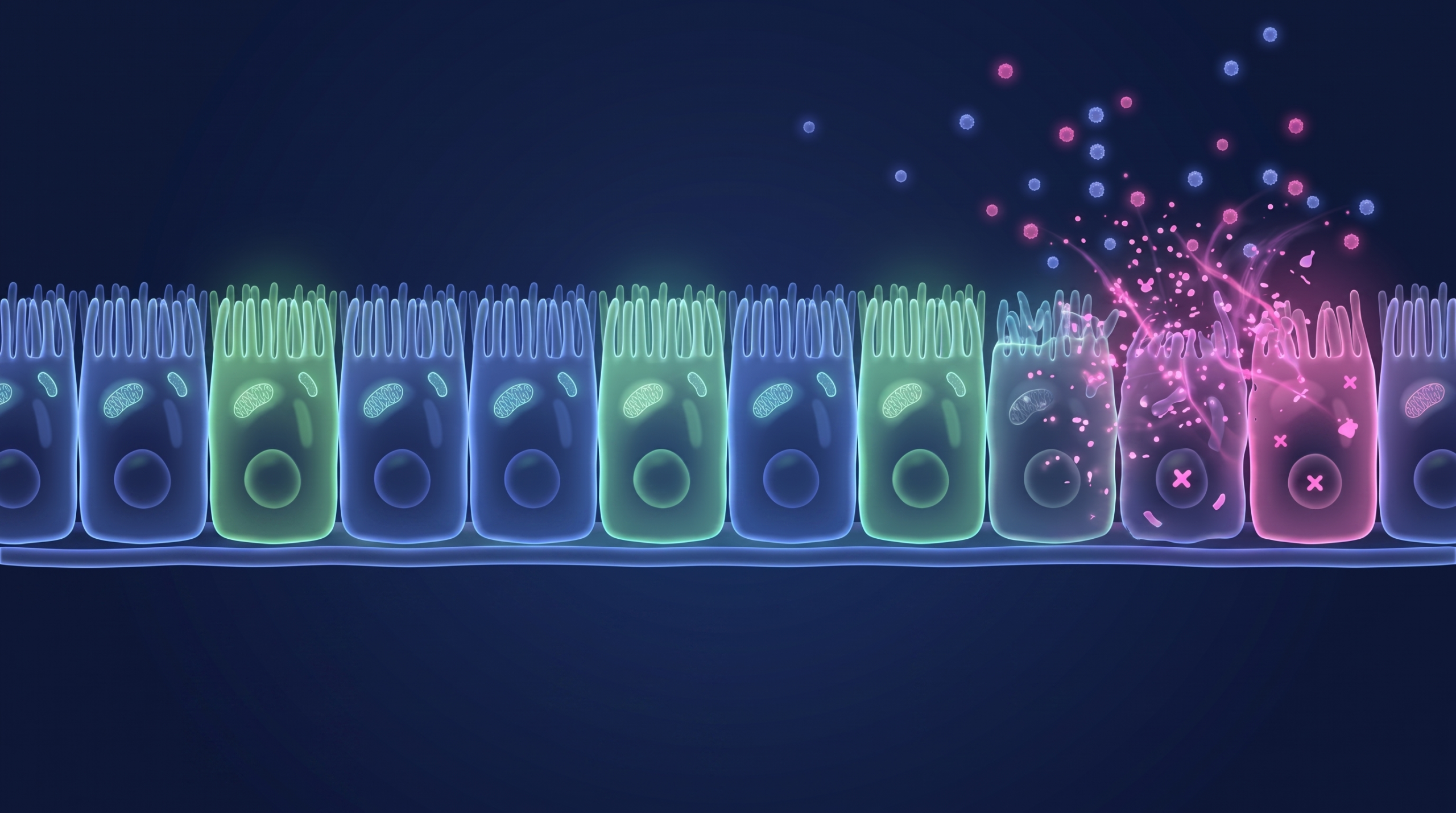
Why GI Toxicity Slips Through Preclinical Screening
Ask a program lead which toxicity they are most afraid of finding late, and the gut is rarely the first…
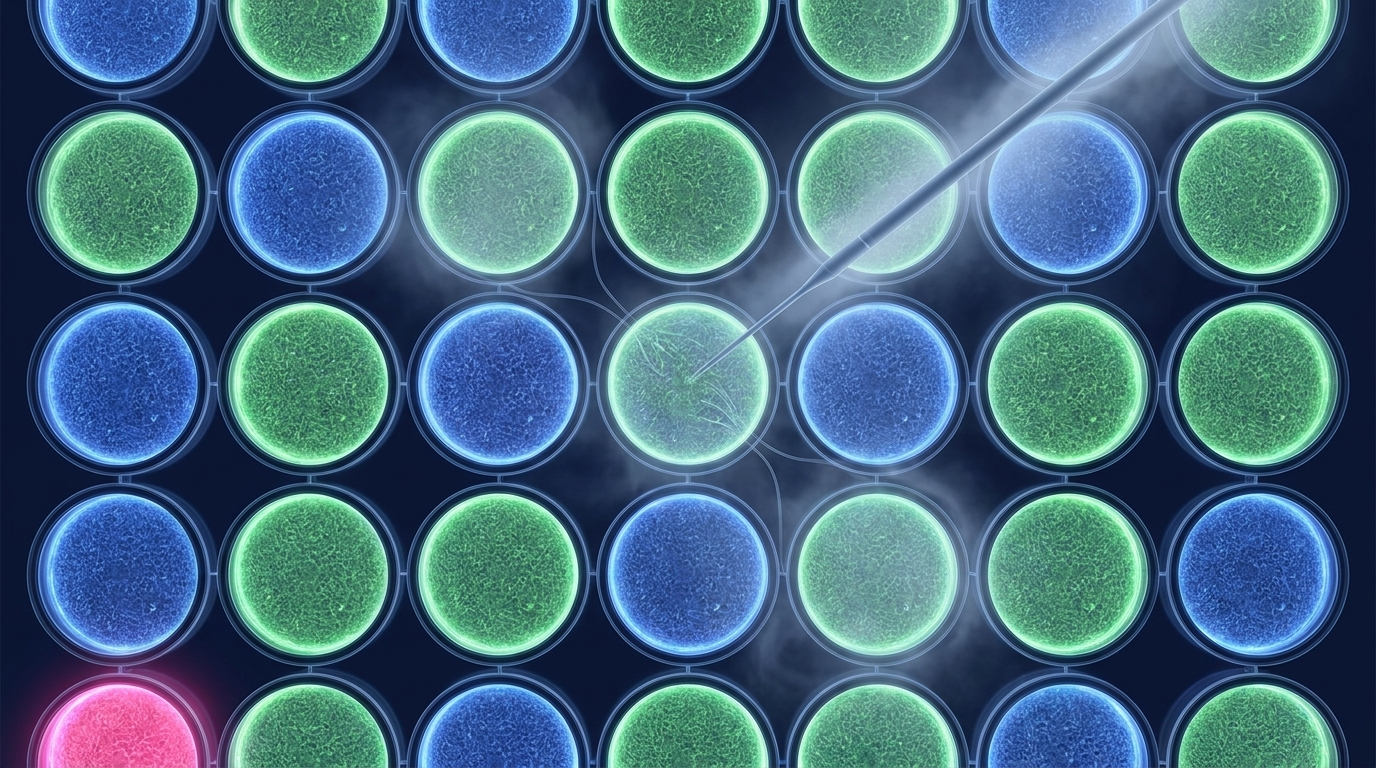
Well-to-Well Consistency: Seeding, Confluence, and Real Signal vs Noise
Some of the most damaging variability in a gut assay never involves the drug at all. It lives between neighboring…
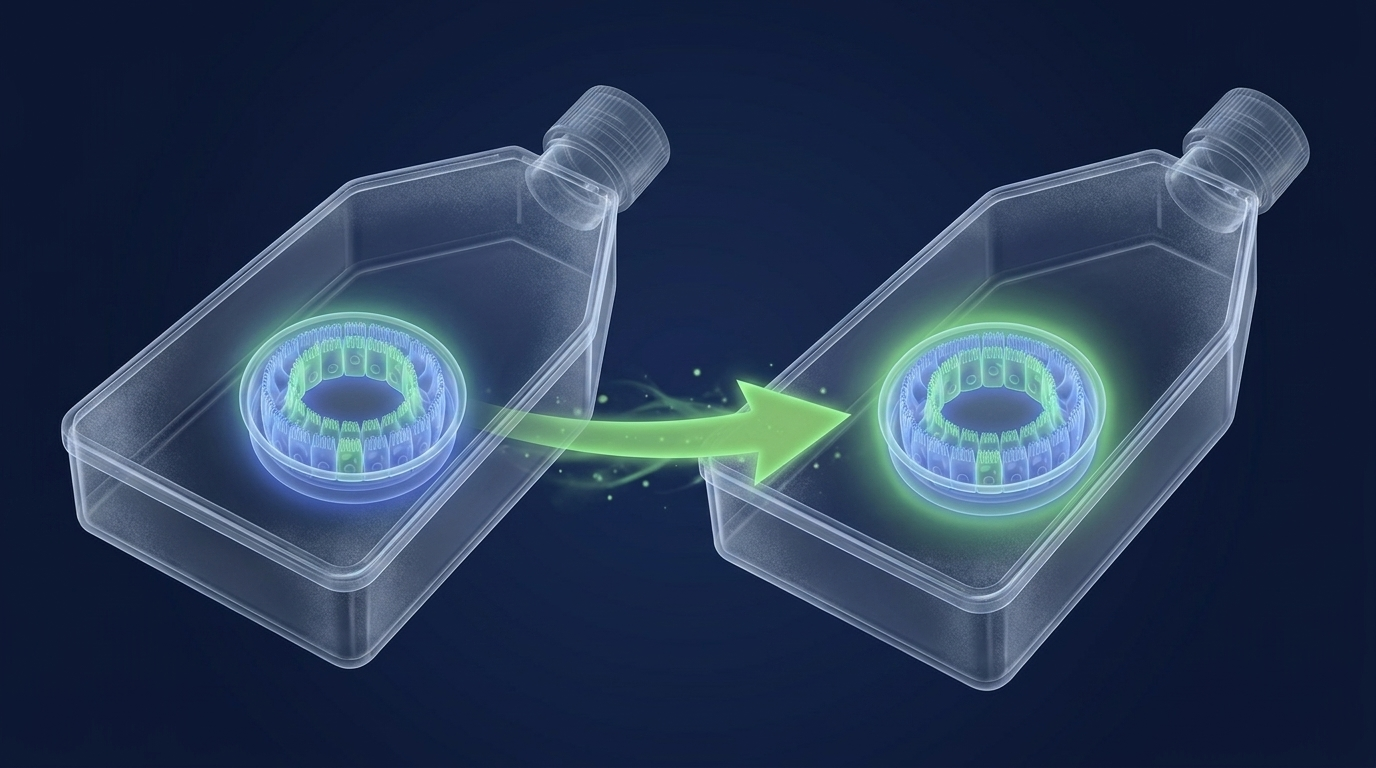
Reproducibility in Your Hands: Why an Assay Drifts When It Moves Between Labs
A model can be perfectly reproducible in the lab that built it and still fall apart the moment it lands…