
Author Andrea Bhatt and colleagues used a monolayer of intestinal epithelial cells to show that exposure to NSAIDs at physiologically relevant doses can cause changes in permeability in the small intestine. This effectively creates an NSAID-induced leaky gut model. This article highlights the potential utility of RepliGut® Planar for assessing toxicity of dietary factors, bacterial metabolites, or therapeutics.
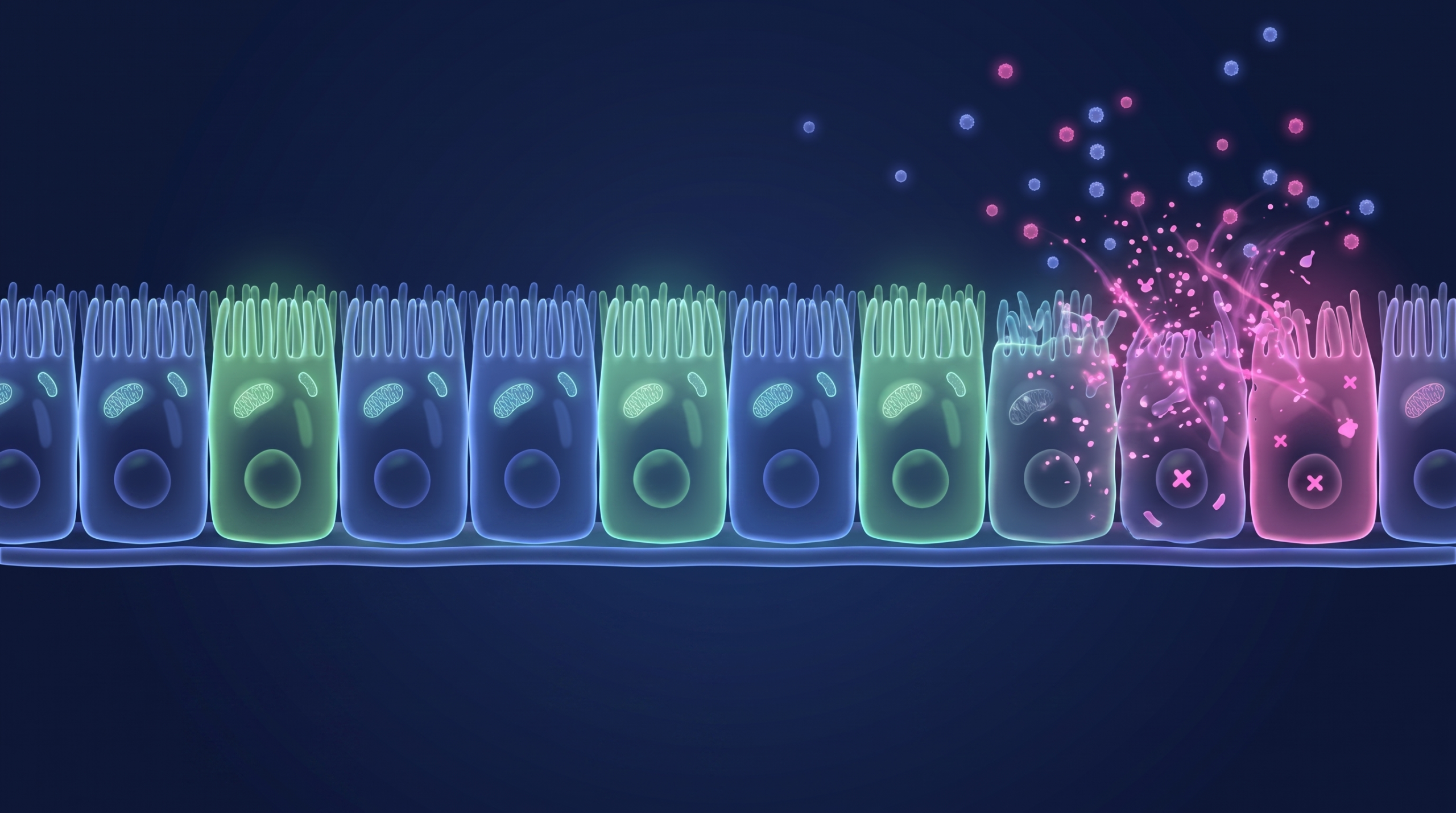
Why GI Toxicity Slips Through Preclinical Screening
Ask a program lead which toxicity they are most afraid of finding late, and the gut is rarely the first…
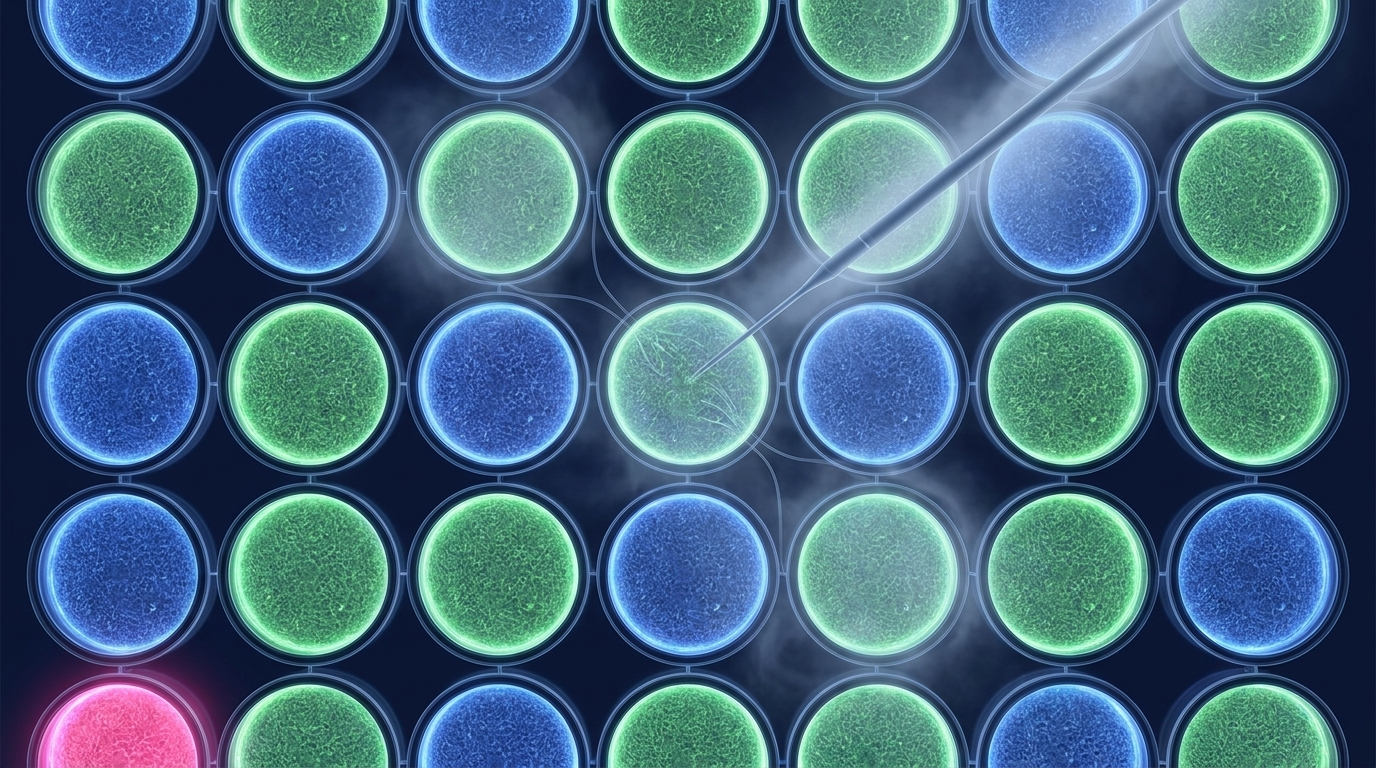
Well-to-Well Consistency: Seeding, Confluence, and Real Signal vs Noise
Some of the most damaging variability in a gut assay never involves the drug at all. It lives between neighboring…
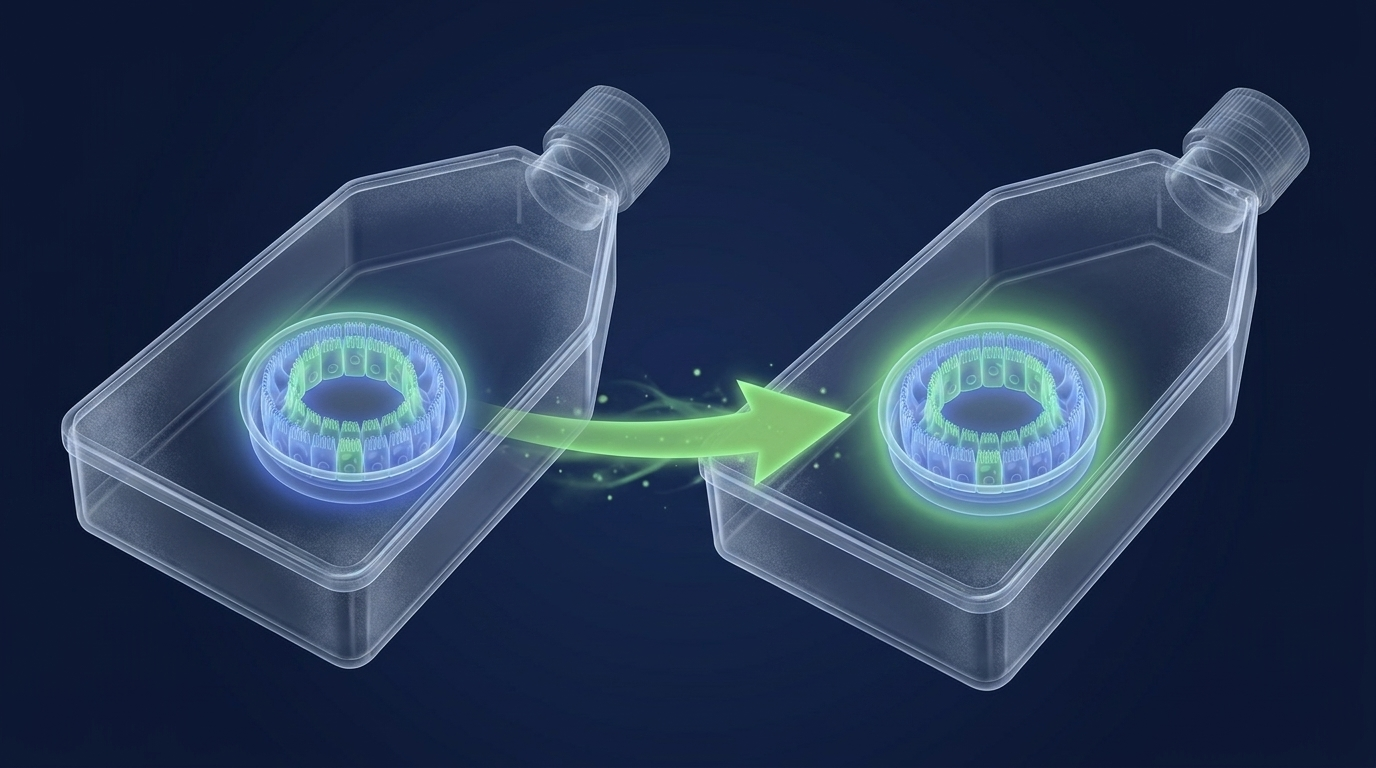
Reproducibility in Your Hands: Why an Assay Drifts When It Moves Between Labs
A model can be perfectly reproducible in the lab that built it and still fall apart the moment it lands…