
In this 2019 manuscript, Dr. Jennifer Speer and colleagues examine human primary intestinal monolayers. They describe levels of CYP3A4, UGTs 2B17, 1A1 and 1A10, and CES2 proteins in freshly isolated intestinal crypts. They compare these levels to 2 different monolayer intestinal epithelium formats derived from intestinal crypt stem cells. This work highlights the importance of the mechanical properties of the cell scaffold. These properties are crucial in maintaining intestinal epithelial cell metabolic functionality.
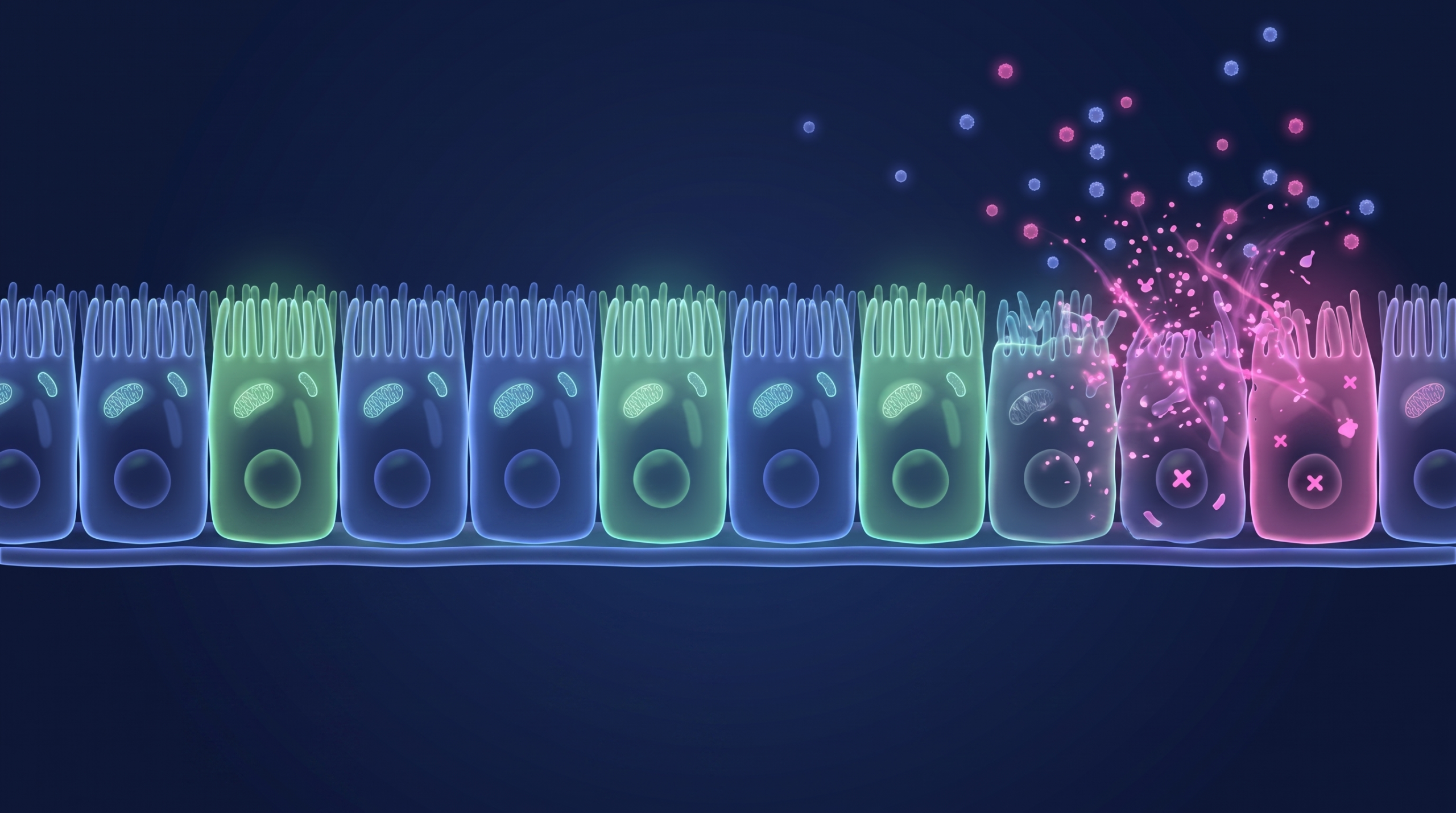
Why GI Toxicity Slips Through Preclinical Screening
Ask a program lead which toxicity they are most afraid of finding late, and the gut is rarely the first…
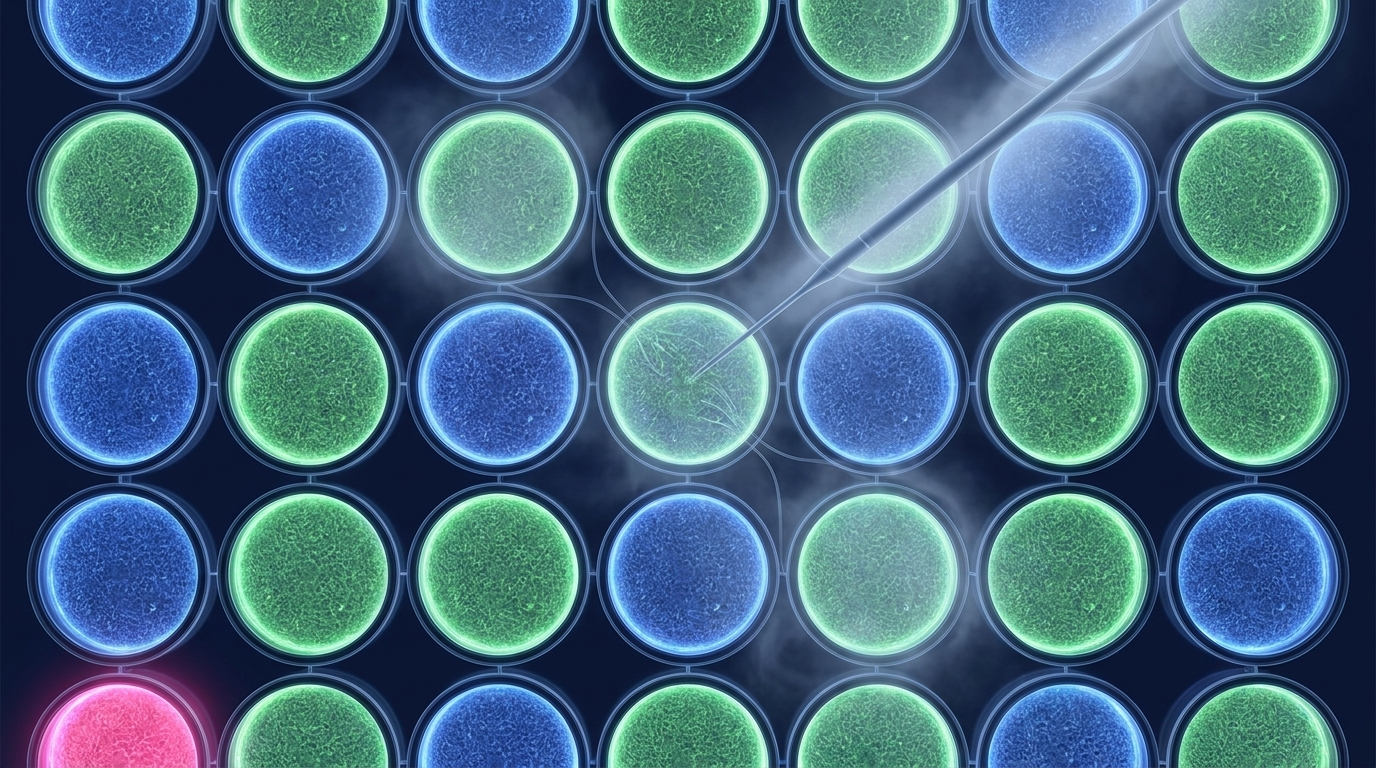
Well-to-Well Consistency: Seeding, Confluence, and Real Signal vs Noise
Some of the most damaging variability in a gut assay never involves the drug at all. It lives between neighboring…
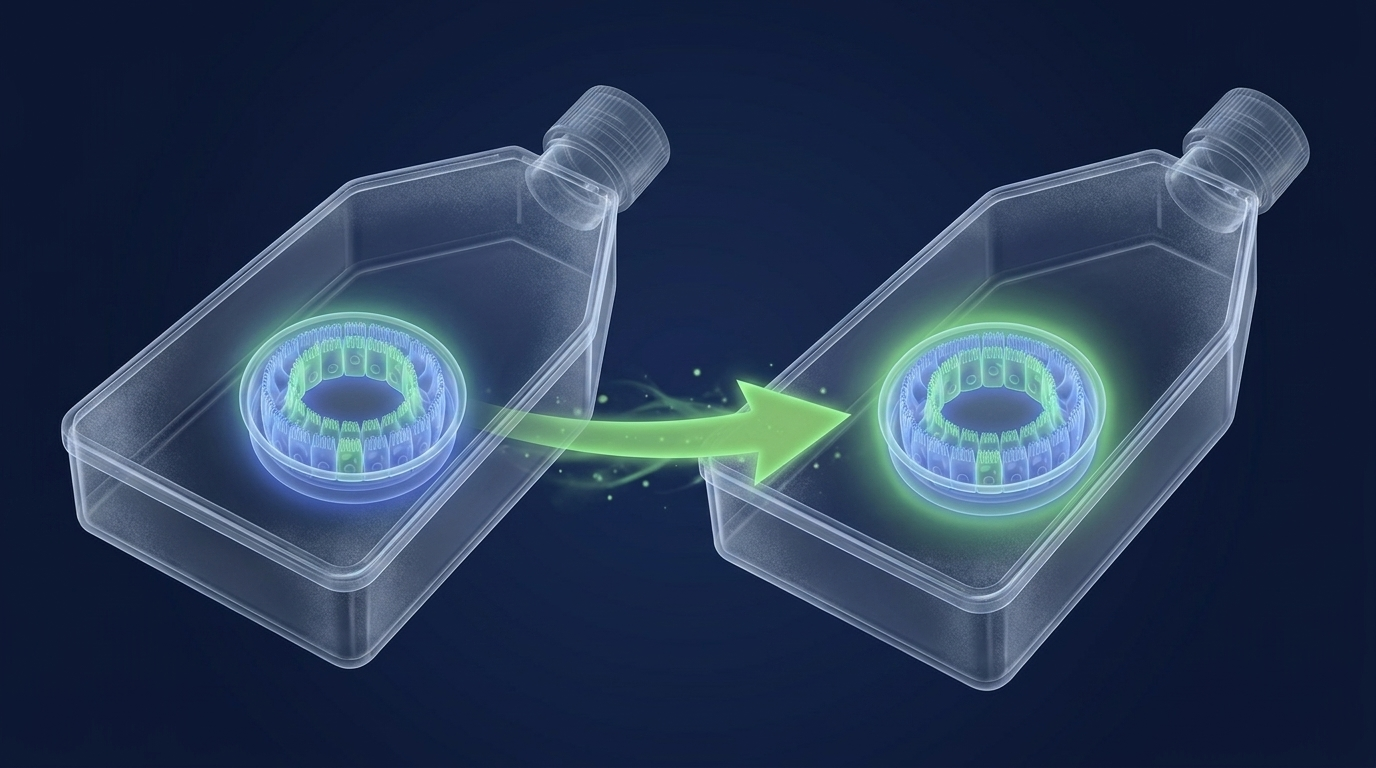
Reproducibility in Your Hands: Why an Assay Drifts When It Moves Between Labs
A model can be perfectly reproducible in the lab that built it and still fall apart the moment it lands…