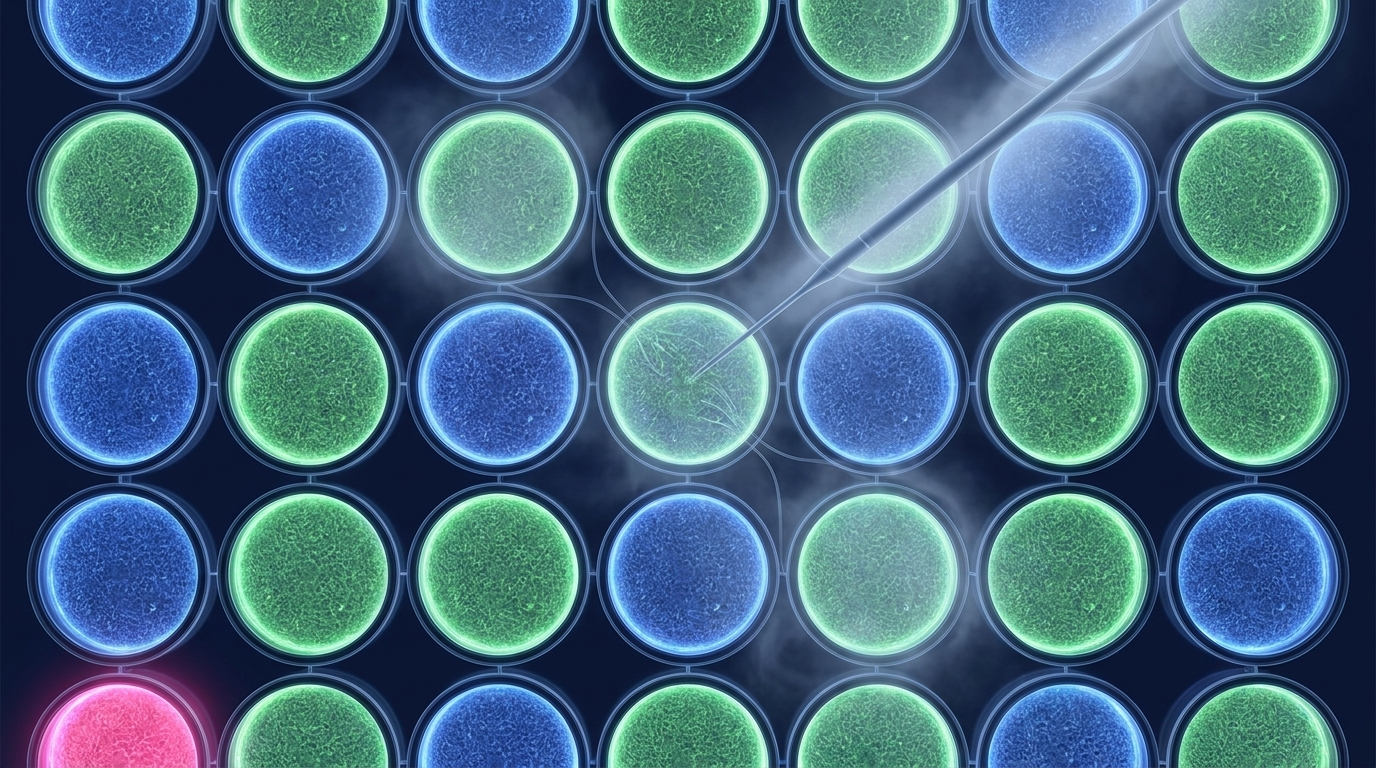
The first question a careful scientist asks about a primary-cell gut model is almost always about donors. If the cells come from real people, and people differ, how do you keep the differences from swamping the result? It is a fair worry, and it is the right place to start. But donor variability is not a flaw to be engineered away. Handled well, it is one of the most useful things a human model gives you, and the skill is learning to read it rather than fear it.
The variability is the human population, not the error bar
Start with a fact that reframes the whole question. Intestinal expression of the major drug-metabolizing enzymes and transporters varies from person to person. For CYP3A4, the dominant enzyme in gut-wall metabolism, expression across individuals spans roughly an order of magnitude or more. That is not measurement error. That is the range of human beings your drug will actually meet.
An immortalized cancer line erases that range by construction. It gives you one genotype, frozen, endlessly. The result is beautifully consistent and quietly misleading, because the clean number it returns describes a person who does not exist. When a primary-cell model shows you spread across donors, it is showing you the population. The scatter carries information a single-genotype line cannot, because the variability is the biology.
So the reflex to treat every difference between donors as noise is exactly backward. Some of it is the signal you left the cancer line to get.
Reading donor variability instead of fearing it
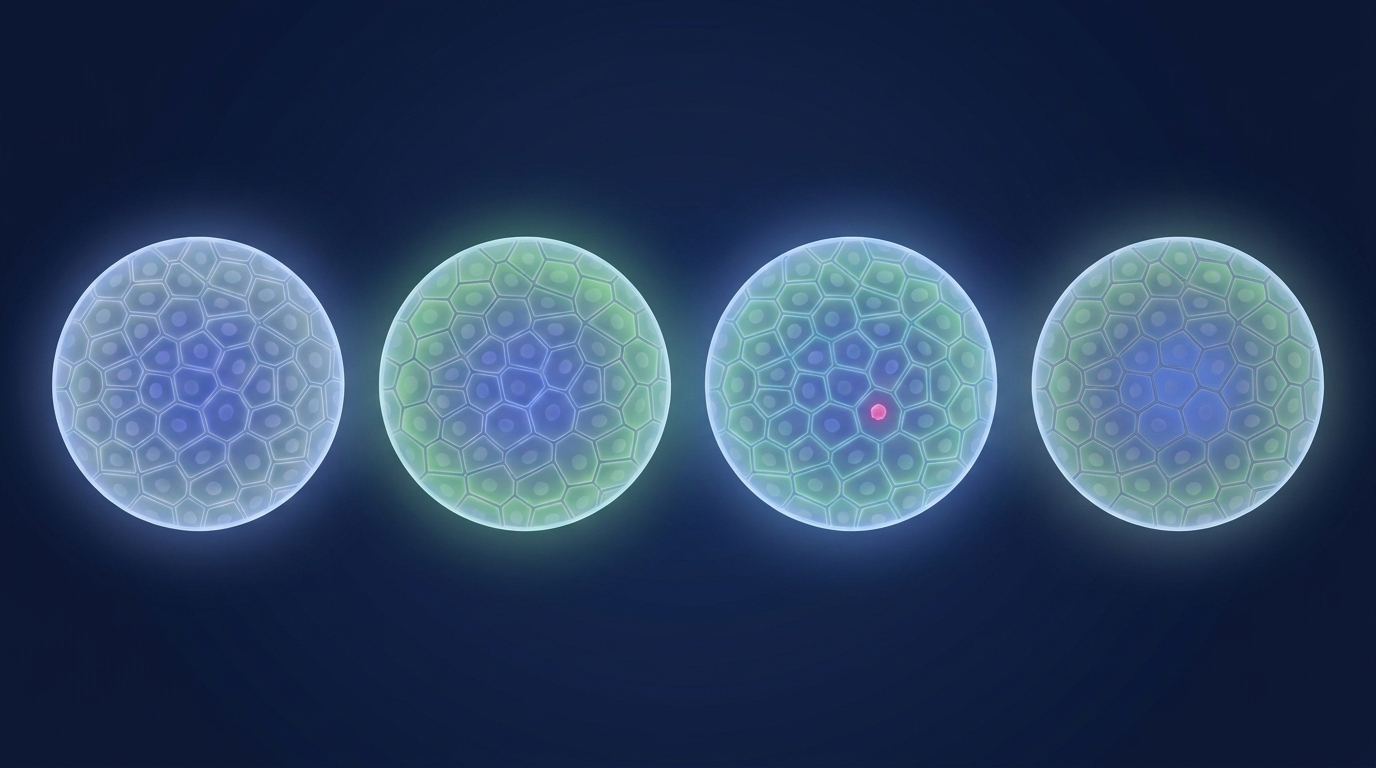
The skill, then, is interpretation. A difference between two donors is worth asking three questions about before you call it a problem.
Is the difference consistent with known biology? If donor A metabolizes a CYP3A4 substrate faster than donor B, and the two differ in CYP3A4 expression, that is the model working, not failing. Does the difference change your decision? A two-fold spread around a permeability value that sits comfortably in the high-permeability range does not change how you rank the compound. The same spread across a classification boundary does. And is the difference reproducible within each donor? Real biological difference repeats when you run the donor again. Handling noise does not. That last check is the one that separates signal from process scatter, and it is worth building into the design rather than sorting out afterward.
Ask those three questions and most donor variability stops looking like a threat and starts looking like data.
When to pool, and when pooling costs you
This is where the practical decision lives, and it is a real trade-off rather than a default.
Pooling donors, or averaging across them, buys you a cleaner central estimate. When the goal is a single representative permeability number to rank a series of compounds, pooling makes sense. It smooths the population into one answer and lowers the run-to-run scatter around it. For early screening and rank-ordering, that is often exactly what you want.
But pooling throws away the thing that made the model human. If the question is how a drug behaves across the range of people who will take it, the spread is the answer, and averaging it away hides the outlier donor who metabolizes the compound three times faster than the group. For anything touching variability in exposure, sensitive subpopulations, or the tails of a response, you want donors kept separate and read individually.
So the honest guidance is not “pool” or “do not pool.” It is: pool when you want a representative estimate and the spread is not the point, and keep donors separate when the spread is the point. Decide it on purpose, at design time, based on the question. The mistake is pooling by reflex and never seeing the biology you paid for.
| Study goal | Donor approach | Why |
|---|---|---|
| Rank-order a compound series | Pool or average | You want one representative estimate, cleanly |
| Population or subpopulation exposure | Keep donors separate | The spread across people is the result |
| Mechanism confirmation | Single well-characterized donor | Control the variable you are not studying |
| Reproducibility and QC | Track per donor over time | Real biology repeats; noise does not |
The design principle behind a trustworthy model
None of this works without knowing your donors. Donor variability is only informative when the donors are characterized and the material is qualified before it reaches your bench, so that the differences you see trace to biology rather than to an unvetted batch. That is a design principle behind RepliGut®: primary cells are donor-qualified, so the population signal you read is real and the process noise around it is controlled. It is also why this sits inside a larger conversation about what makes a primary-cell gut model trustworthy, alongside the batch-level question of what lot release testing actually verifies.
Where this pays off most directly is in intestinal permeability and metabolism work, where inter-individual differences in enzymes and transporters are not a nuisance to be averaged out but often the whole point of running a human model in the first place.
Donor variability is not the price you pay for human relevance. In many studies it is the product. The models worth trusting are the ones that let you see it clearly and decide, deliberately, when to keep it and when to set it aside.